Frontline social partners
Aotearoa's circular model
Common’s redistribution model evolved through partnership.
After initially operating through direct pop-ups and community activations, we restructured our model to work alongside established frontline social services across Aotearoa. This shift enabled us to serve more people, across more regions, through trusted service networks.
By 2025, we had partnered with 33 organisations supporting housing instability, emergency response, family services, migrant communities and recovery programmes. Rather than duplicating existing services, we integrated into established care frameworks strengthening access pathways and extending the life of quality garments already in circulation.
This partnership-led approach allowed us to scale responsibly while improving transparency and reporting. Redistribution was not informal; it was measured, documented and aligned to defined environmental and social impact pathways.
Curated garments intentionally, we responded to detailed partner requests prioritising context specific options and personal expression.
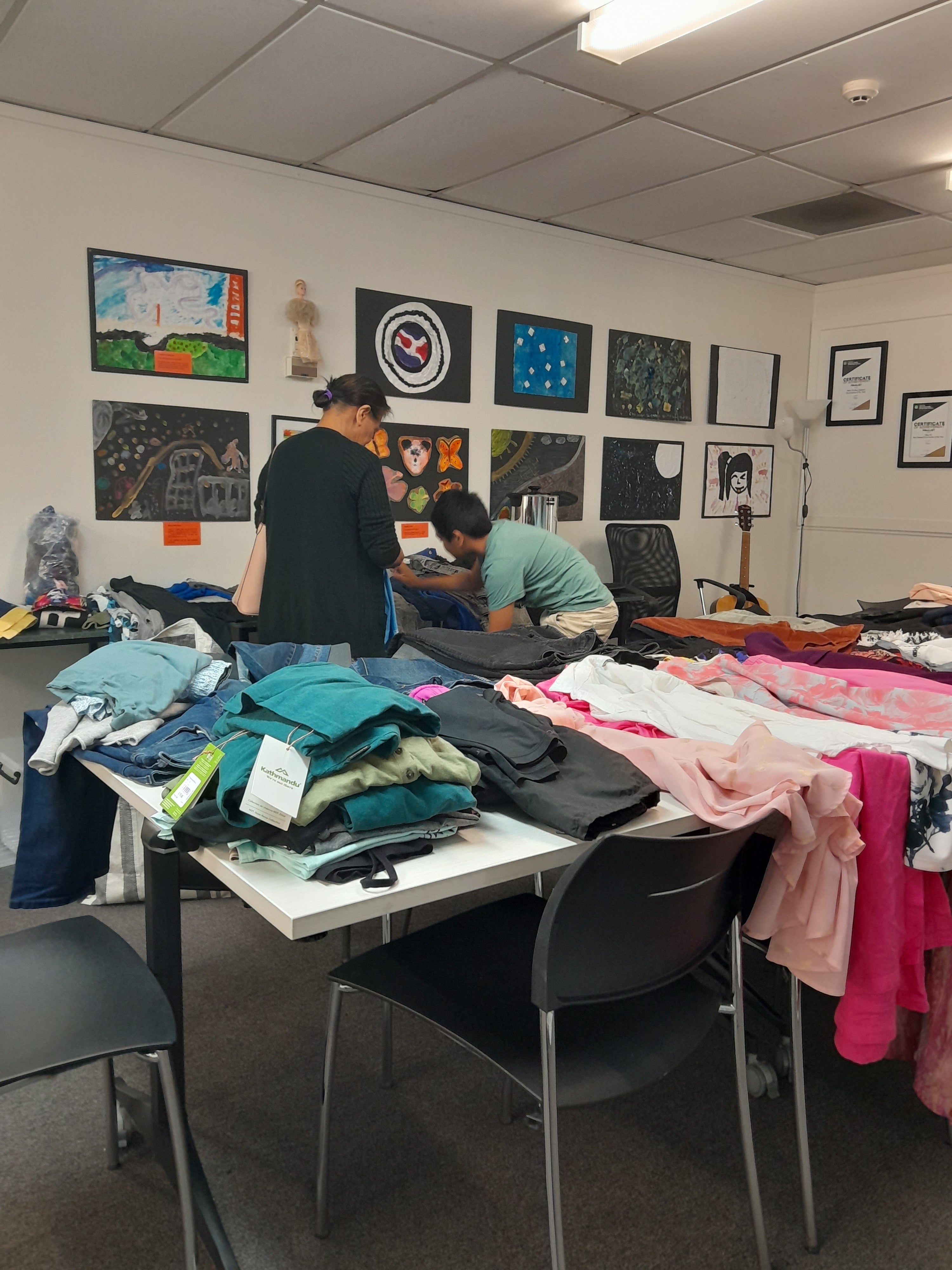
We believe clothing is an expression of identity. For individuals with limited agency in other areas of life, the ability to choose what they wear matters.
To date, our model has demonstrated that structured redistribution delivered through social service partners can reduce textile waste while strengthening access.
Entering Melbourne
As Common establishes its next chapter in Melbourne, we are seeking to establish relationships with frontline services across Victoria.
We partner exclusively with established frontline service organisations that maintain ongoing, case-managed relationships with the people they support:
- Employment and economic mobility
- Reintegration and participation
- Core needs and hardship support
- Transitional housing and emergency accommodation
- Safe housing and accommodation
- Equity and underserved communities
- Rehabilitation, recovery and harm reduction
Our approach remains the same: locally integrated, circular and accountable.
Organisations interested in partnering are invited to contact hello@commonequal.com. Following initial contact, we request information to understand your service model, distribution approach and the communities you support.
Pillars Ka Pou Whakahou
Providing a specialised response service, Pillars supports whānau impacted by a family member’s involvement with Ara Poutama, The Department of Corrections. Working from a whānau-centred, strengths-based approach, Pillars addresses a family’s immediate needs and emphasises strengths to give whānau the best possible chance of a successful new start.
The Ngāti Tamaoho Trust
Registered as a Charitable Trust in 1991, Ngāti Tamaoho is the mandated iwi authority representing the people of Tamaoho. The Trust Board governs and protects iwi interests while advancing youth employment pathways and upholding kaitiakitanga — guardianship of environment and culture.
Fale Pasifika Women's Refuge
Falling under the umbrella of the National Collective Independent Women's Refuge Incorporated, Fale Pasifika Women's Refuge supports Pasifika women and children experiencing domestic/family violence within Tāmaki Makaurau Auckland. The Refuge collaborates with their community to educate and raise awareness through diverse, culturally centred values across seven services, in addition to a men's programme.

Te Pā Maru, Wellington City Mission
A harm minimisation service, the Wellington City Mission’s work centres around community and creating safe spaces via their Managed Alcohol Programme and a whāre to call home where alcohol cannot dictate the direction of people’s lives.
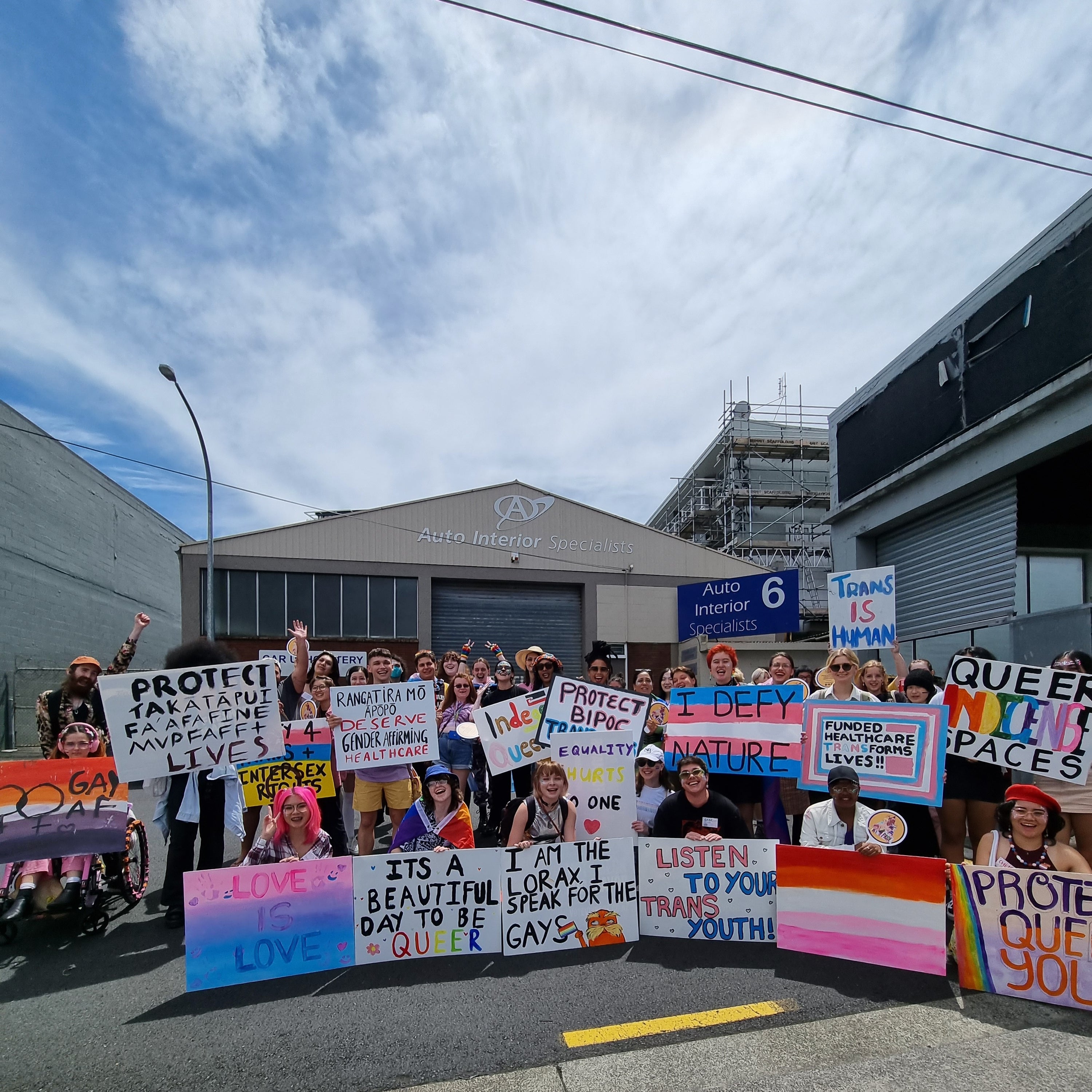
Rainbow Youth
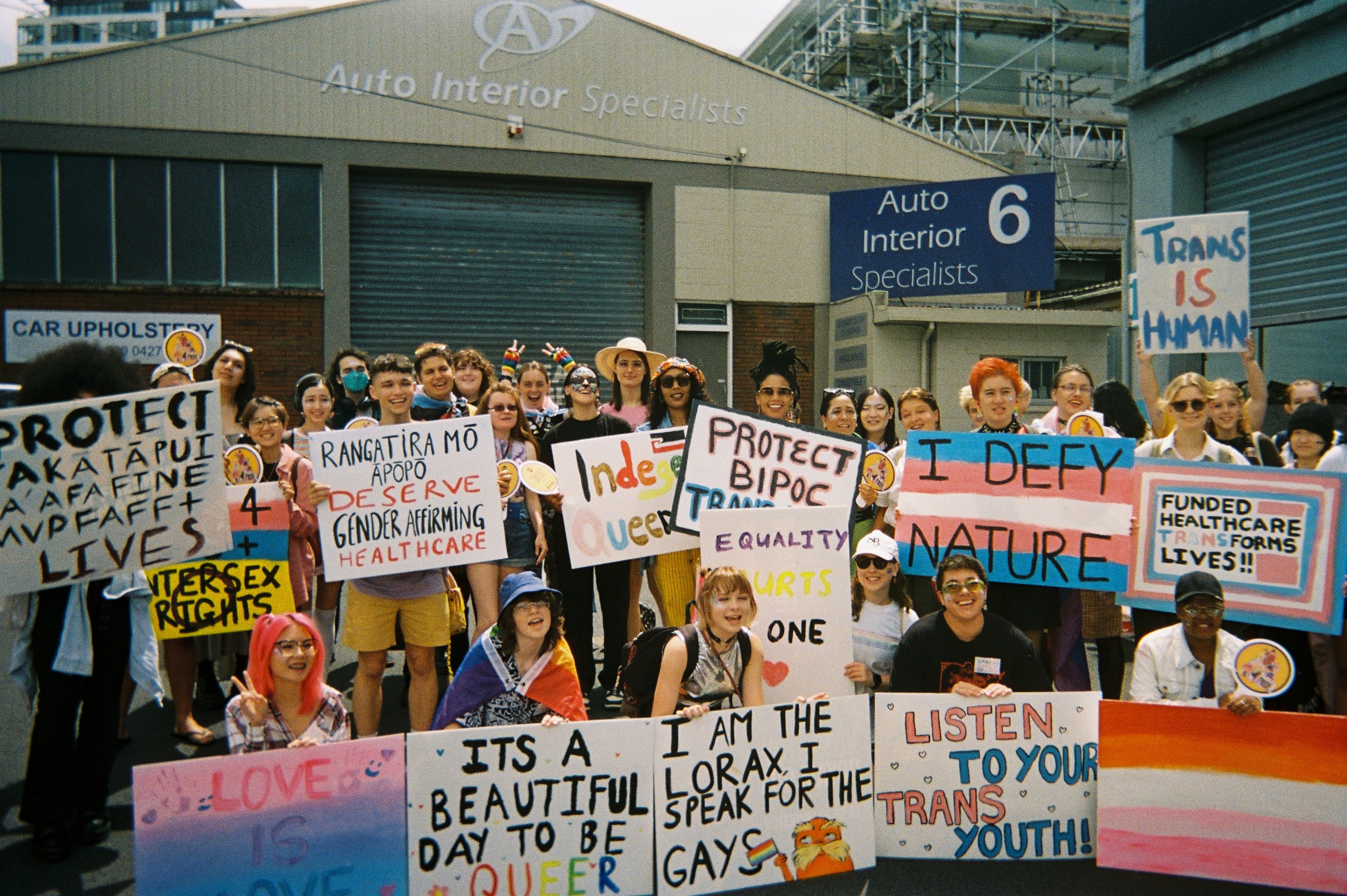
We replenish Rainbow Youth’s community wardrobes in Tāmaki Makaurau and Bay of Plenty as and when needed. They are a small team with a big impact, empowering our young people and creating a more diverse and inclusive space for our mvpfaff+ and Māori rangatahi.
Blue Light
Working alongside the police to deliver an extensive range of youth programmes and activities, Blue Light encourages better relations between the Police, young people, their parents, and the community. Blue Light builds confidence, resilience, and strong connections between youth, whānau, and their communities—working towards reducing youth crime, creating safer neighbourhoods.

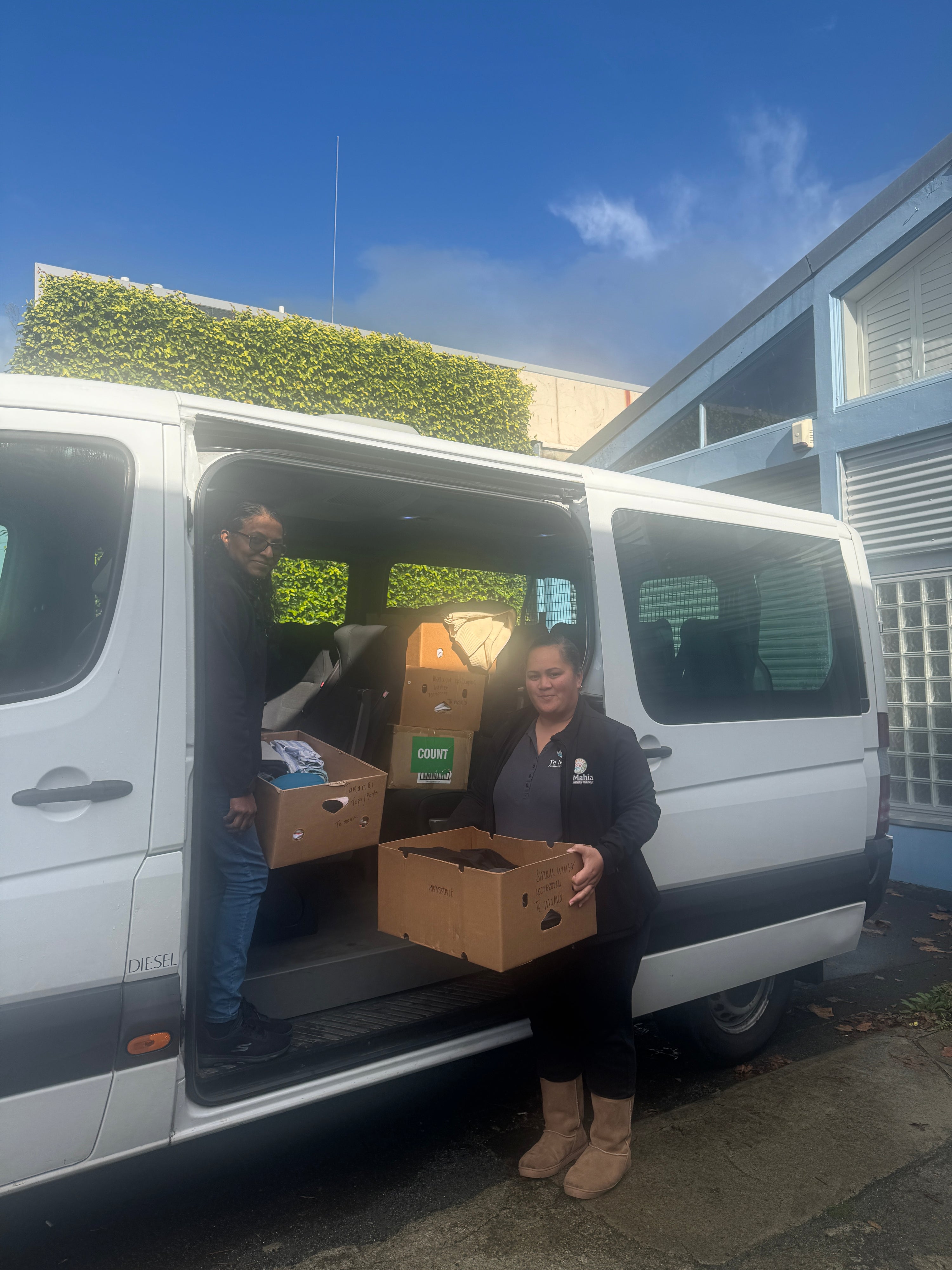
Te Mahia Community Village
Working in collaboration with the police, social services, and local non-governmental organisations, this community village provides emergency and transitional accommodation in Conifer Grove, Tāmaki Makaurau Auckland. Te Mahia’s approach fosters a caring community by welcoming supporting services, coordinating events, and supporting residents in accessing vital assistance services.
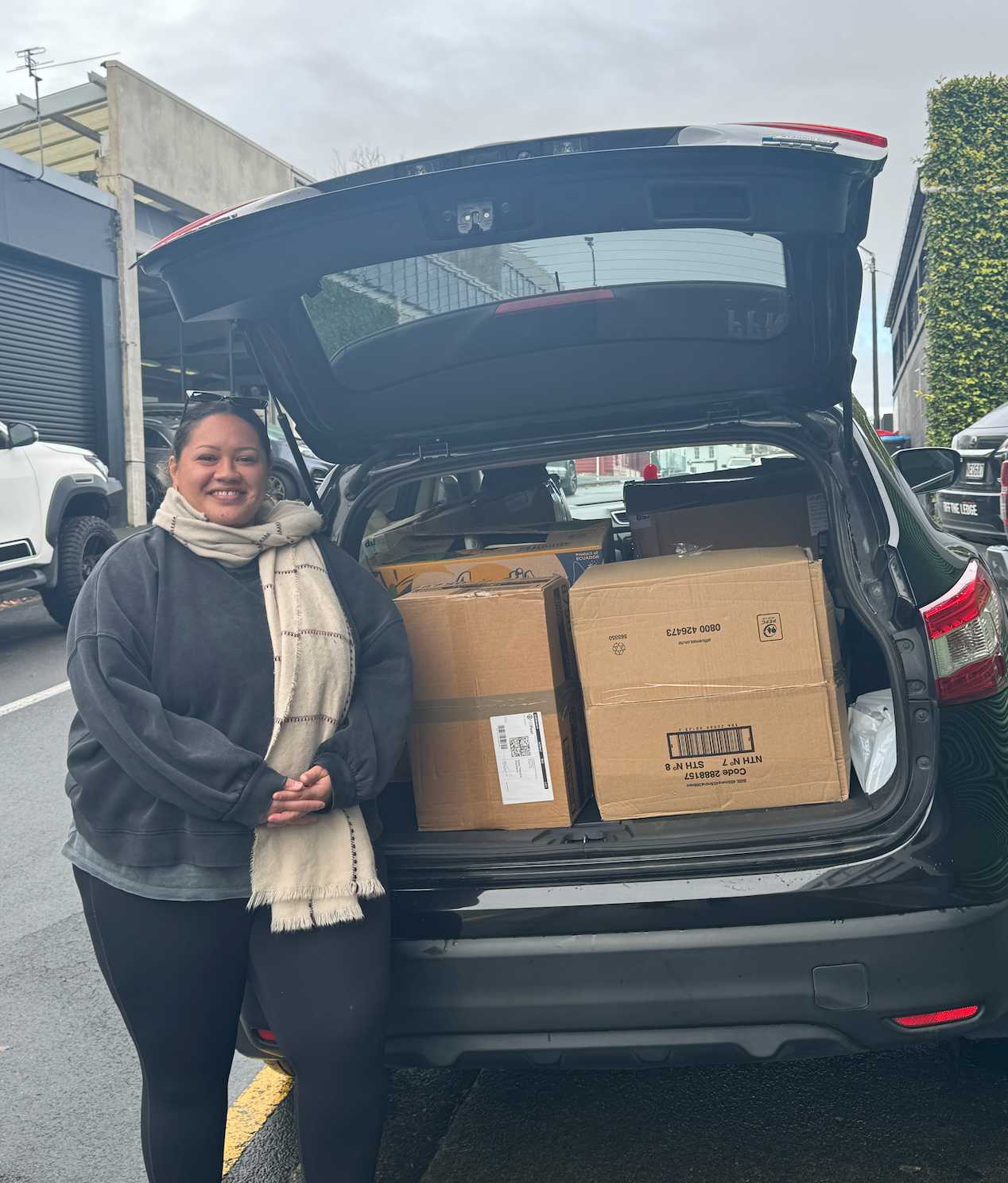
Victim Support - The Co-Response Car Team
Victim Support's incredible work provides frontline support services to families who are experiencing trauma through family violence. Currently, the organisation's focus is working to assess and identify immediate needs and safety concerns for at-risk whānau.
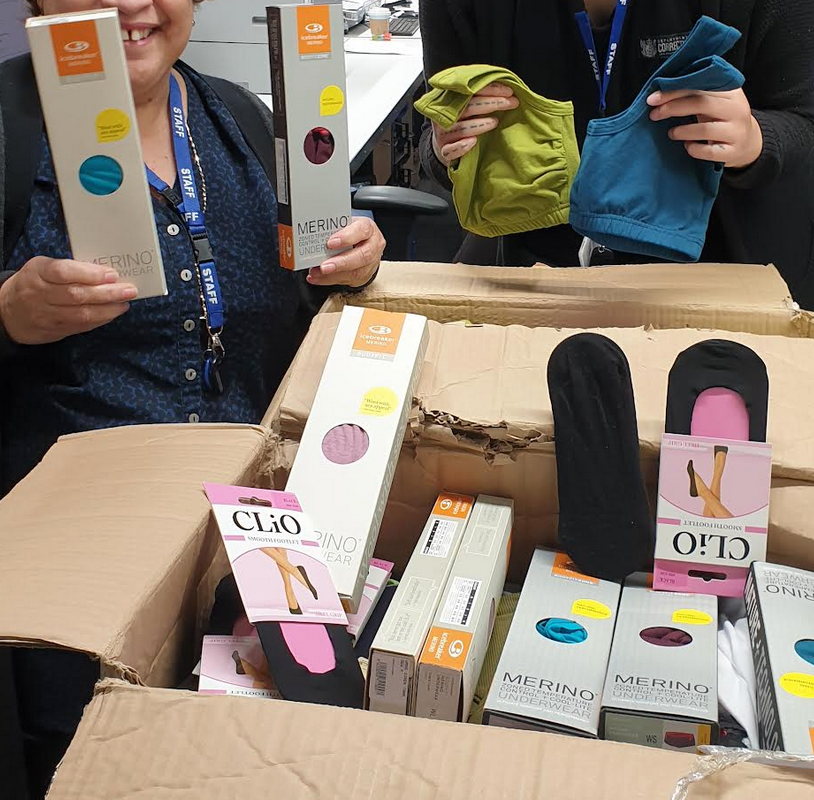
Ara Poutama Aotearoa, Department of Corrections
Working with people both in our communities and in prison, Corrections supports 36,000 individuals via rehabilitation programmes, education and job training. These programmes provide opportunities for reintegration, enabling people to start over, and breaking the cycle of offending.
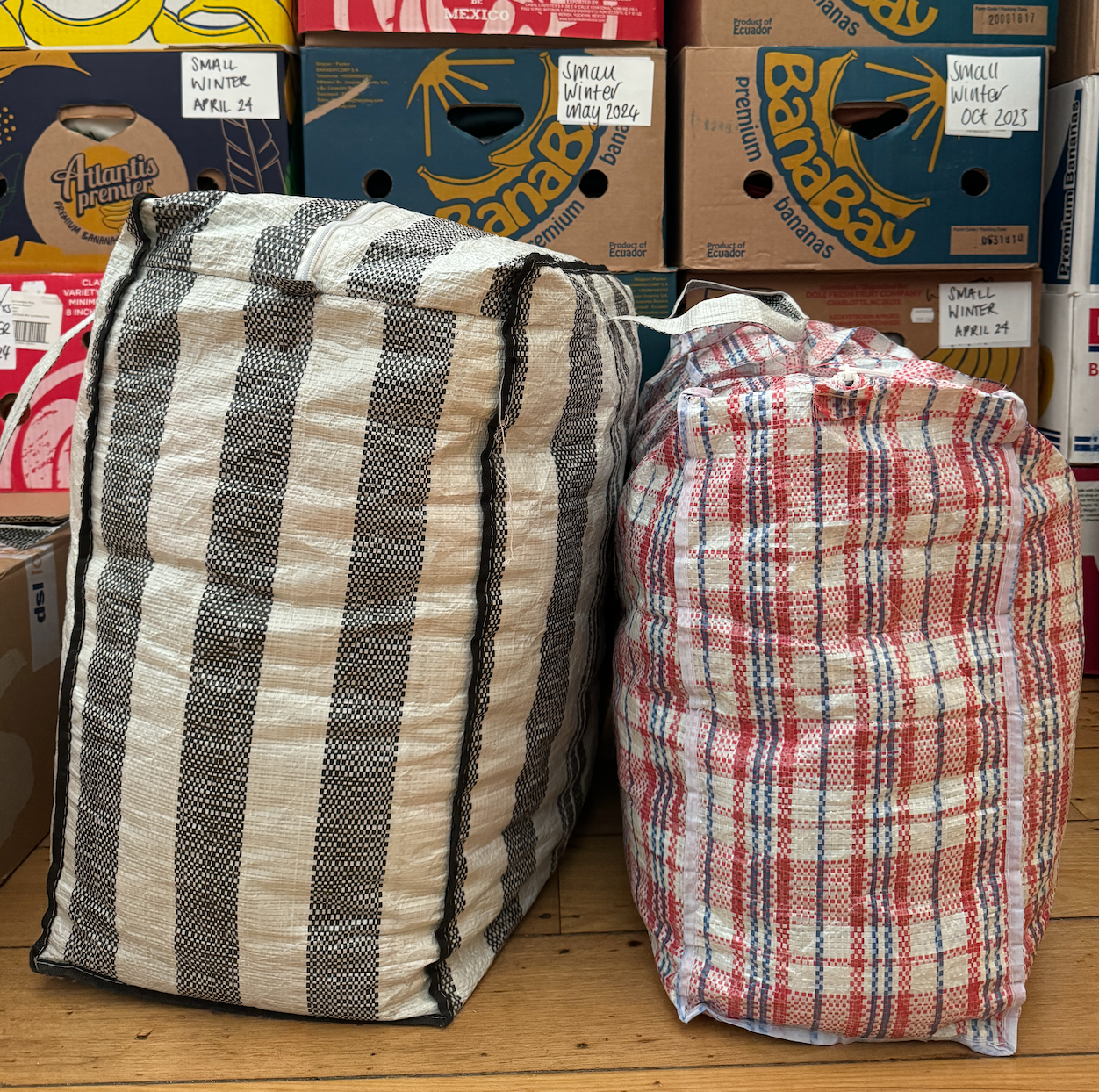
Family Works, Presbyterian Support Northern
Providing core counselling and social work services alongside group programmes for young people, parents and caregivers. Family Works also delivers parenting courses.

Duffy Books In Homes
Formed in 1994, Duffy Books in Homes is a not-for-profit organisation that inspires a love of books in children, so that they become adults who read. In 2025, the organisation worked with over 550 schools in priority communities and more than 260 early childhood centres around Aotearoa New Zealand delivering their literacy programme.
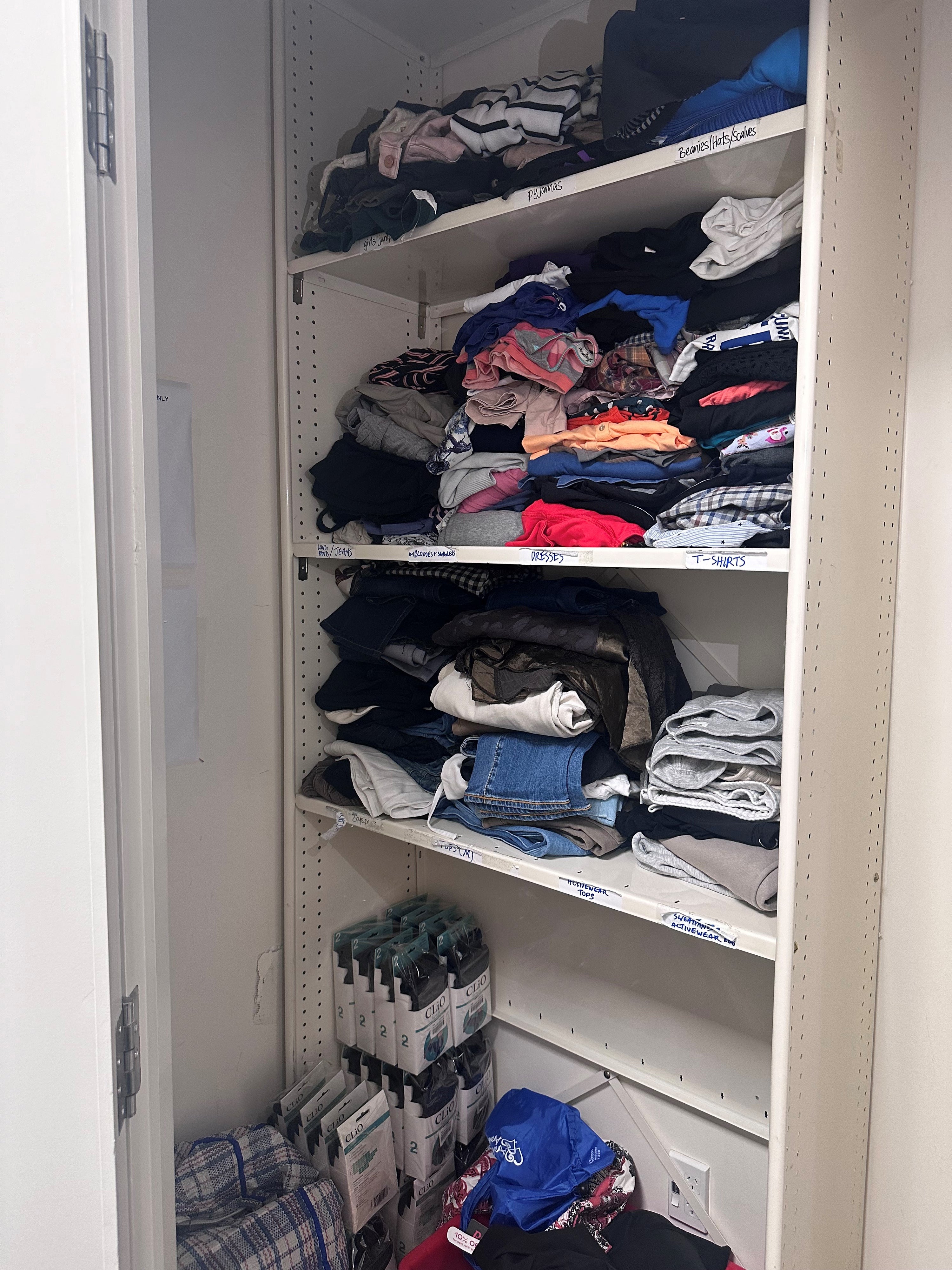
Haumaru Ōrite, Mental Health Child Adolescent Unit
Based at Auckland Starship Hospital and operated by Te Whatu Ora, the Haumaru Ōrite mō Rangatahi Unit provides specialised inpatient care for young people. The service includes an open ward, a high-dependency unit and a Mother and Baby Unit, supporting child and adolescent mental health needs.

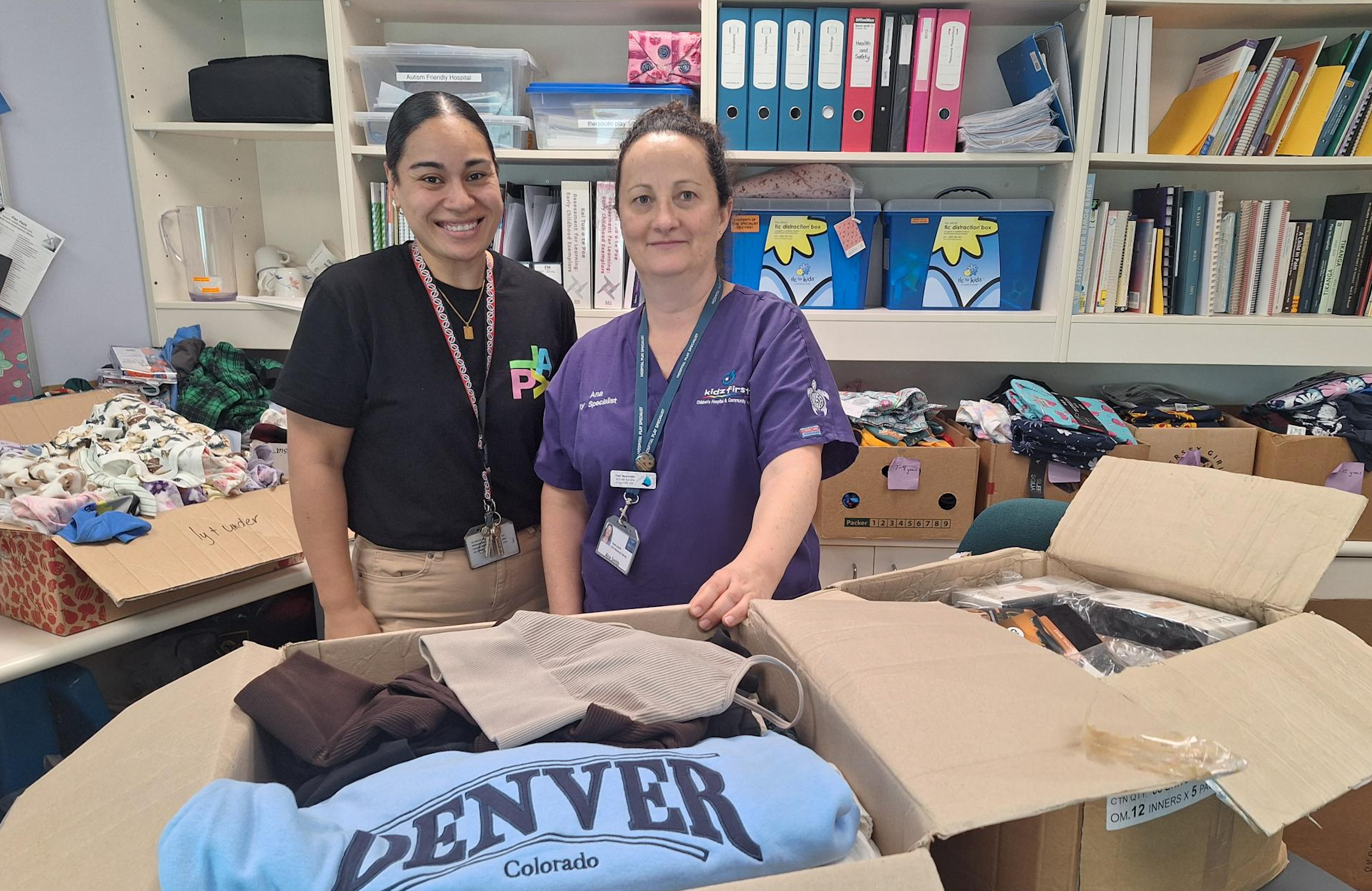
Kidz First Children’s Hospital, Middlemore
Kidz First is the local children’s hospital in South Auckland. The Play Specialist service supports patients and their families in the emergency department and inpatient wards working closely with the multidisciplinary team to ensure families are well supported during their hospital visit.
Asylum Seekers Support Trust
This small team is doing incredible work that supports vulnerable asylum seekers with emergency housing, legal advice and other critical humanitarian needs, providing the tools and care to assist people in moving through the asylum system and to move forward.
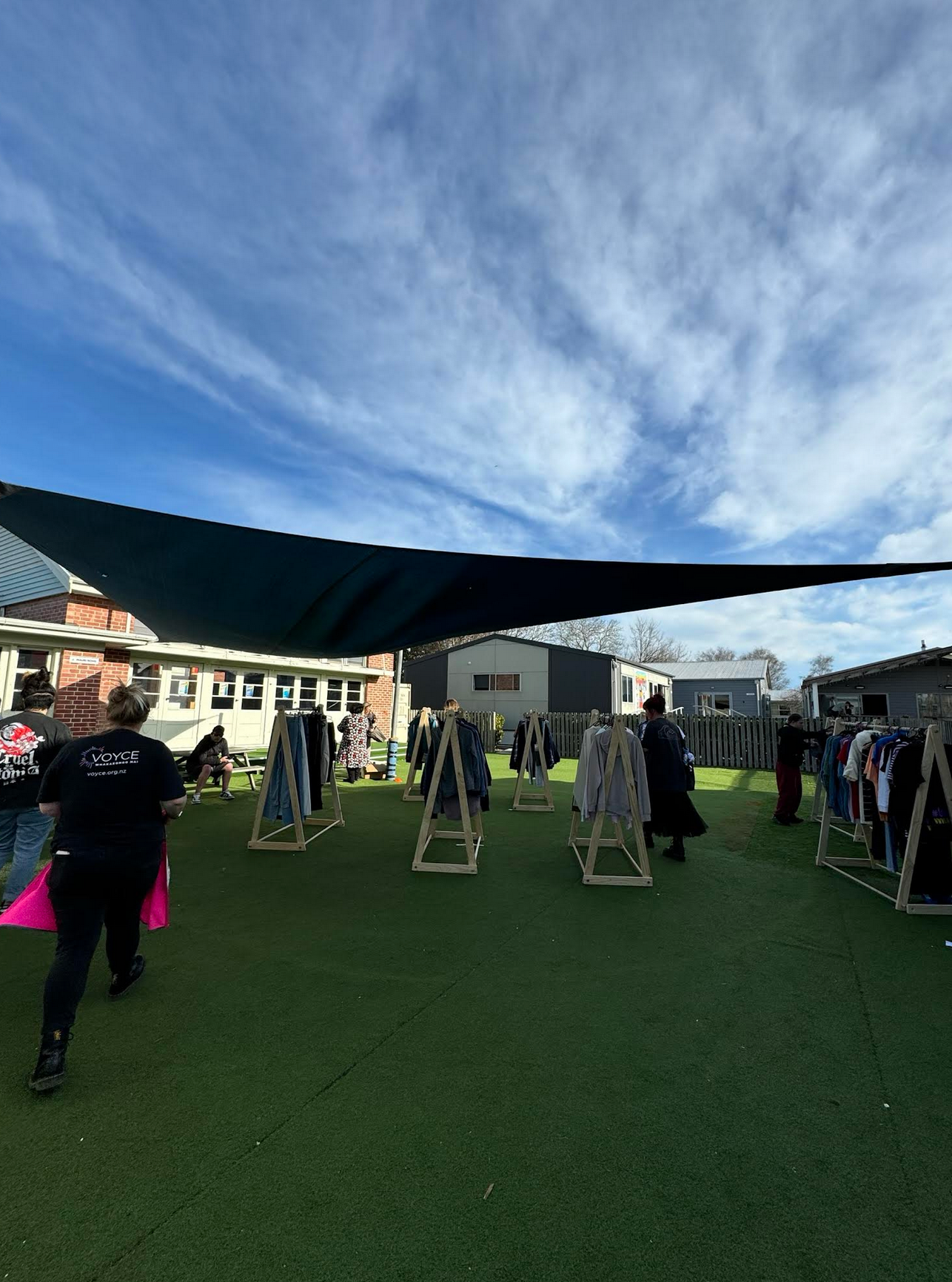
VOYCE Whakarongo Mai
Working in partnership between young people, government and the philanthropic and non-government sectors, Voyce advocates for tamariki and rangatahi aged 0-25 to positively influence individual care, campaigning for collective change in the wider care system.
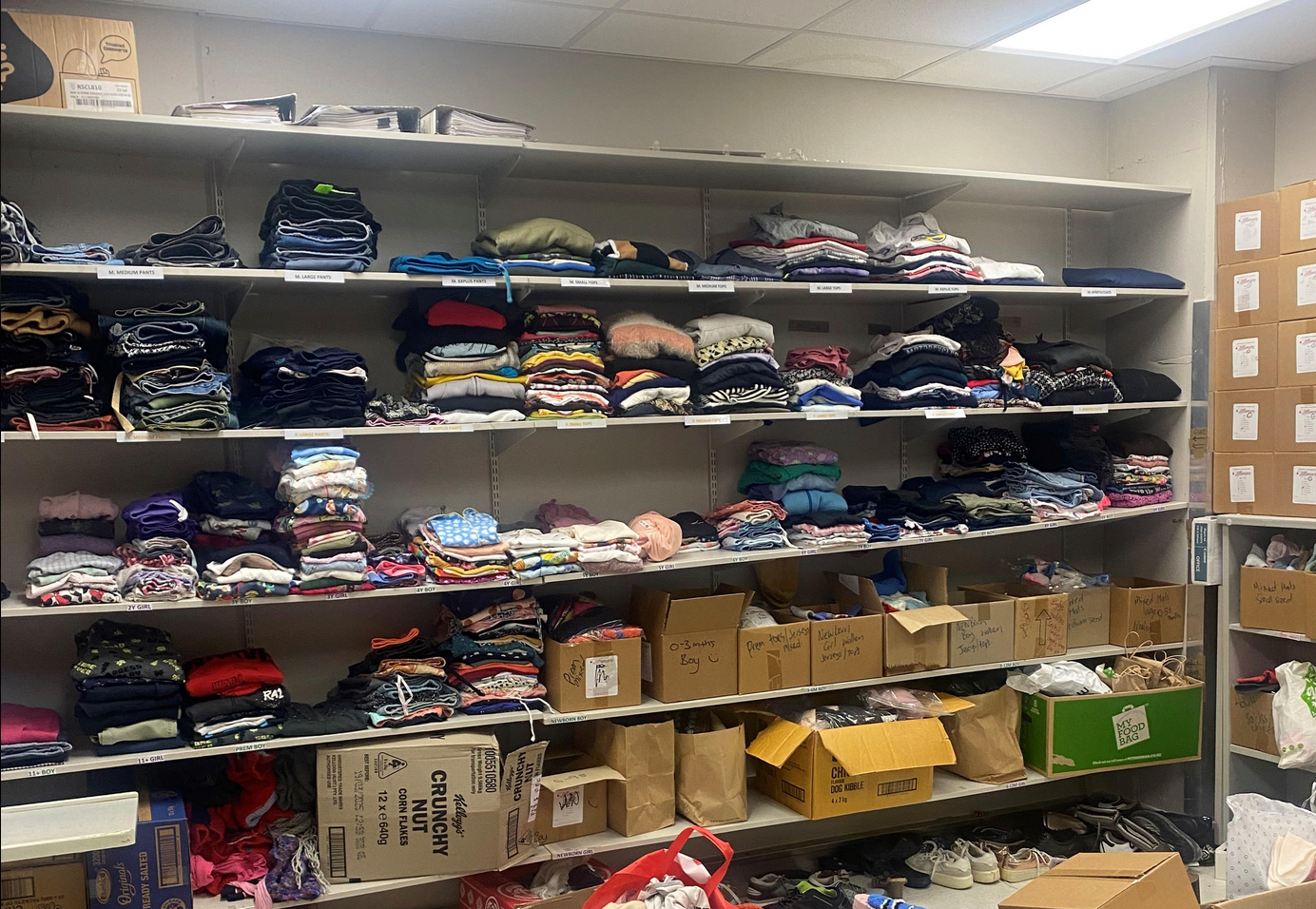
Middlemore Hospital, Acute Allied Health
Working alongside various teams of social workers, the hospital is able to provide clothing to patients and their families on a needs basis. Clothing is accessed via their team in addition to the medical social work and cancer teams and Māori health social workers.
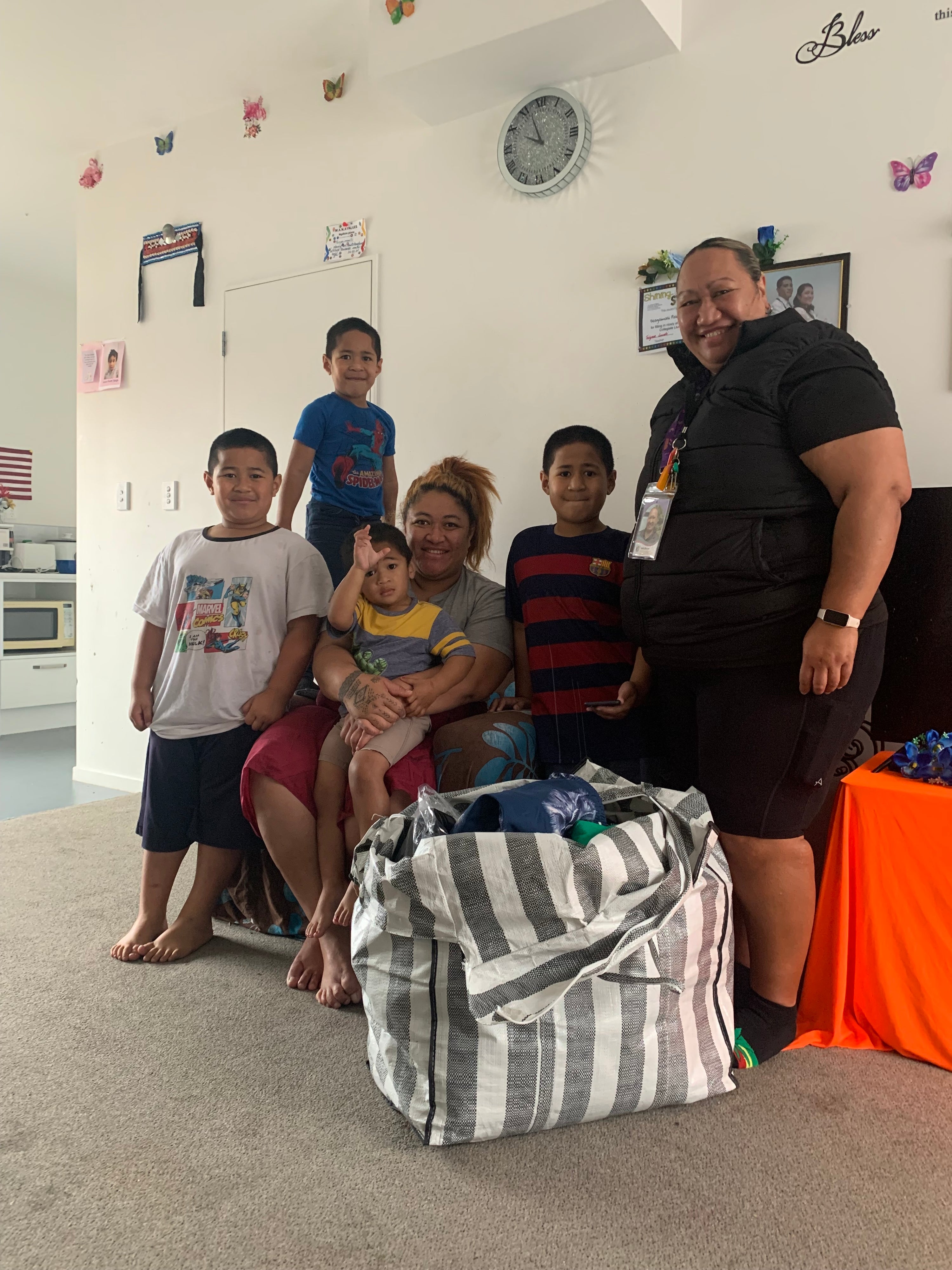
Kootuitui ki Papakura: Whanaungatanga
Symbolising the interconnectedness and interdependence (like that of harakeke or flax), Kootuitui ki Papakura is unique in its approach, offering wraparound services integrating education, health, and whanau support, delivering transformative impacts on tamariki and the community more broadly. Their mission is to address inequities and enhance the outcomes of young people in South Auckland.
Whare Timatatanga Hou Ora Womens Refuge Kaitaia
Advocating for women, children and families impacted by domestic violence and abuse, the Refuge, alongside other organisations, provides health, counselling, legal and various complementary support services. Operating a 24-hour crisis line service, the Refuge also provides safe housing for those exiting unsafe living situations. Food, clothing, toiletries, and household goods are provided as part of this service.
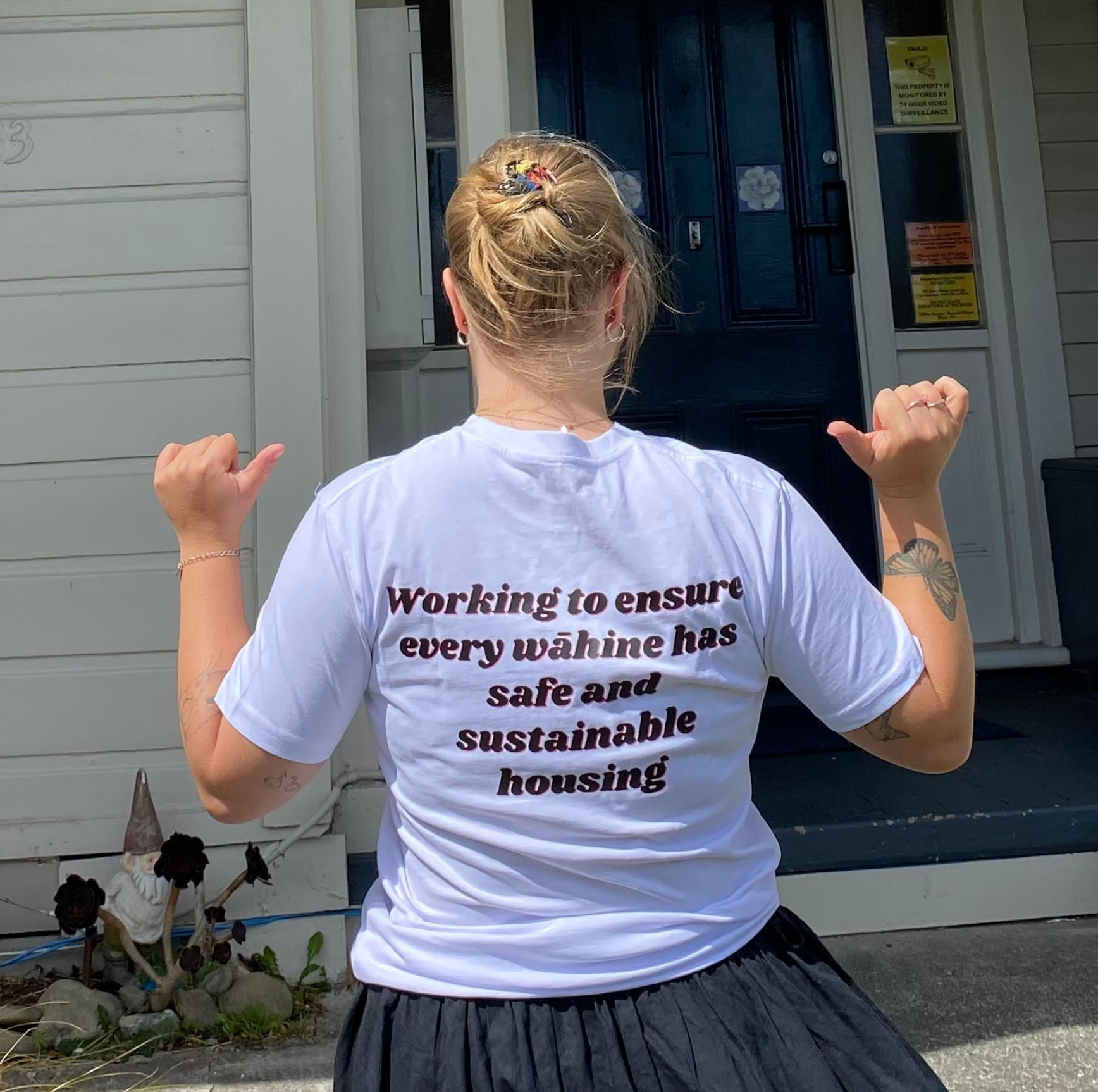
Wellington Women's House
An organisation serving women experiencing homelessness, Wellington Woman’s House provides an environment that offers connection and support, a coming together so women can feel safe, more secure and hopeful while waiting for their applications for more permanent, longer-term accommodation. For the women in their care, living and being in limbo, clothing can help provide a greater sense of agency.
Ngāti Whatua Whai Maia
Ngāti Whātua Whai Maia supports Ngāti Whātua members across Tāmaki Makaurau through cultural, social and community services. Its frontline kaimahi work alongside whānau to strengthen wellbeing, with clothing made available to those supported by the organisation.
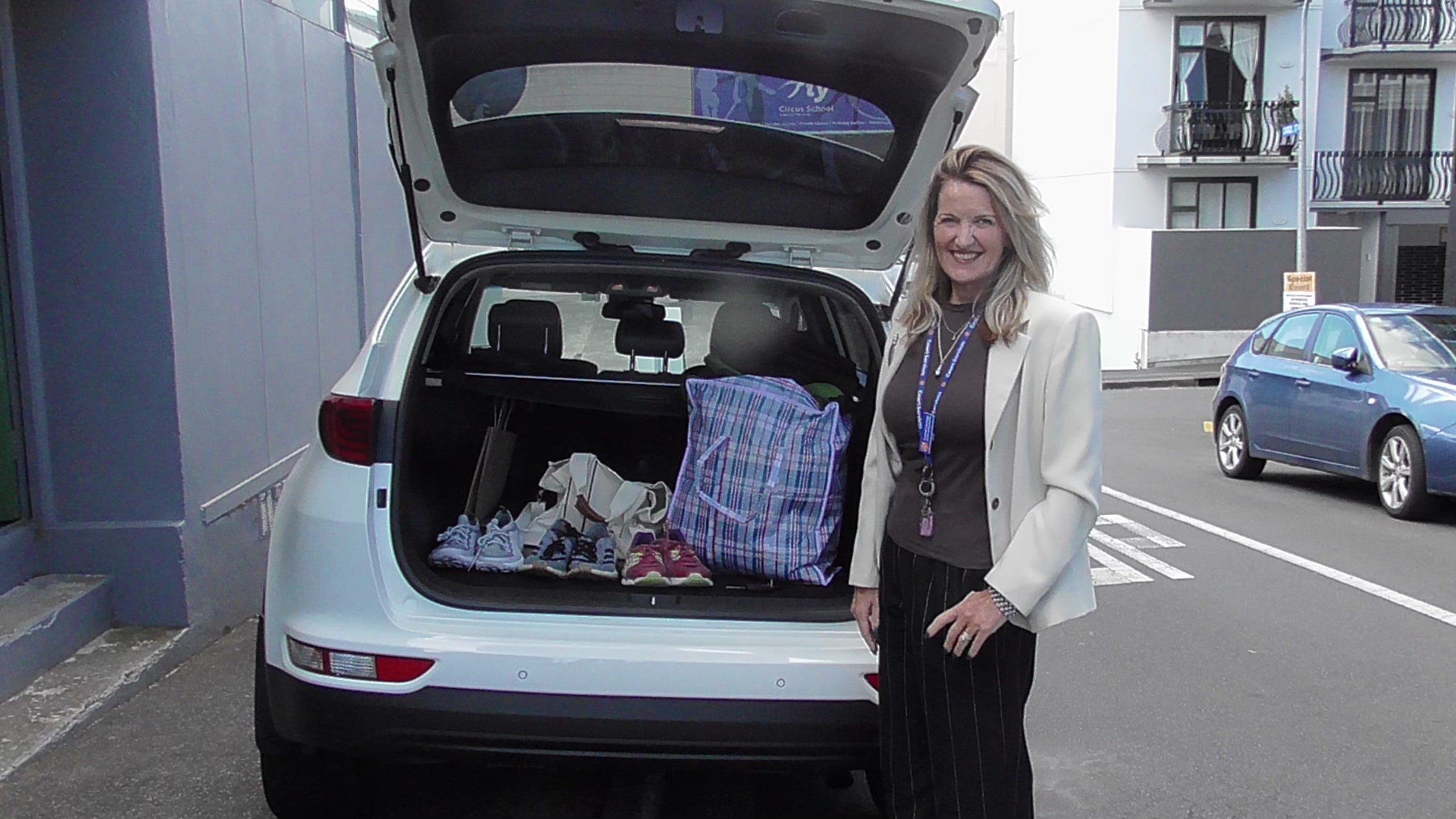
Te Kōti o Timatanga Hou – The Court of New Beginnings
Te Kōti o Timatanga Hou is a Ministry of Justice role administered by the Salvation Army, working alongside recidivist offenders in the Auckland CBD area who are homeless. Street whanau often present to Te Kōti o Timatanga Hou offices with no possessions other than the clothes they have been wearing for weeks.
Grace Foundation, Te Whare Ahuru Atawhai
Operating under the Grace Foundation Charitable Trust, Te Whare Ahuru Atawhai provides transitional housing for mothers with pēpi, as well as holistic recovery programs based on the Te Whare Tapa Whā model.
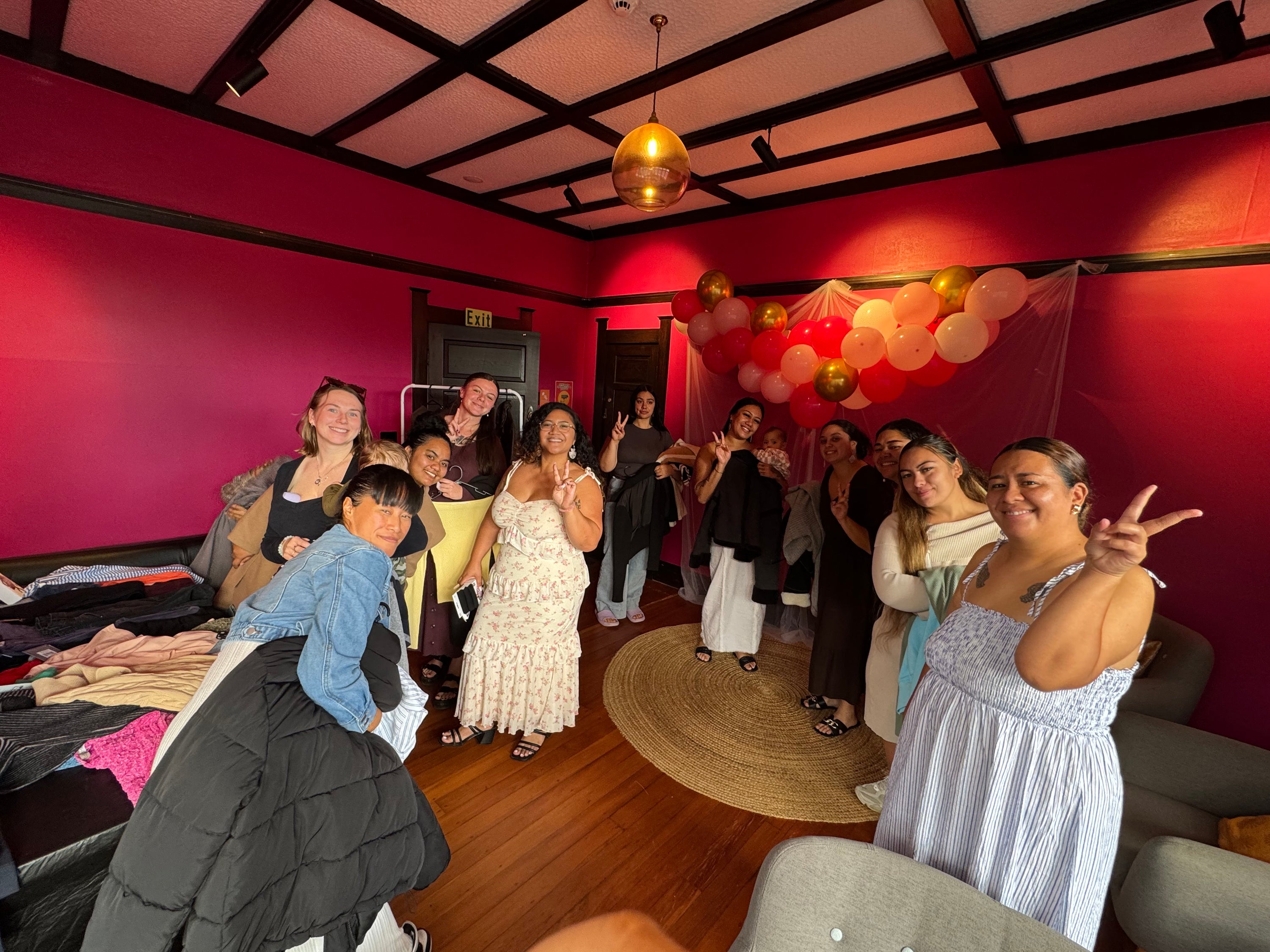
Diamonds In The Rough
Operating across Aotearoa, Diamonds in the Rough supports teenage and young mothers through trauma-informed, relationship-based services. Providing psychosocial education while also working collaboratively, the organisation focuses on safety, connection and practical support to strengthen outcomes for young wāhine and their whānau.
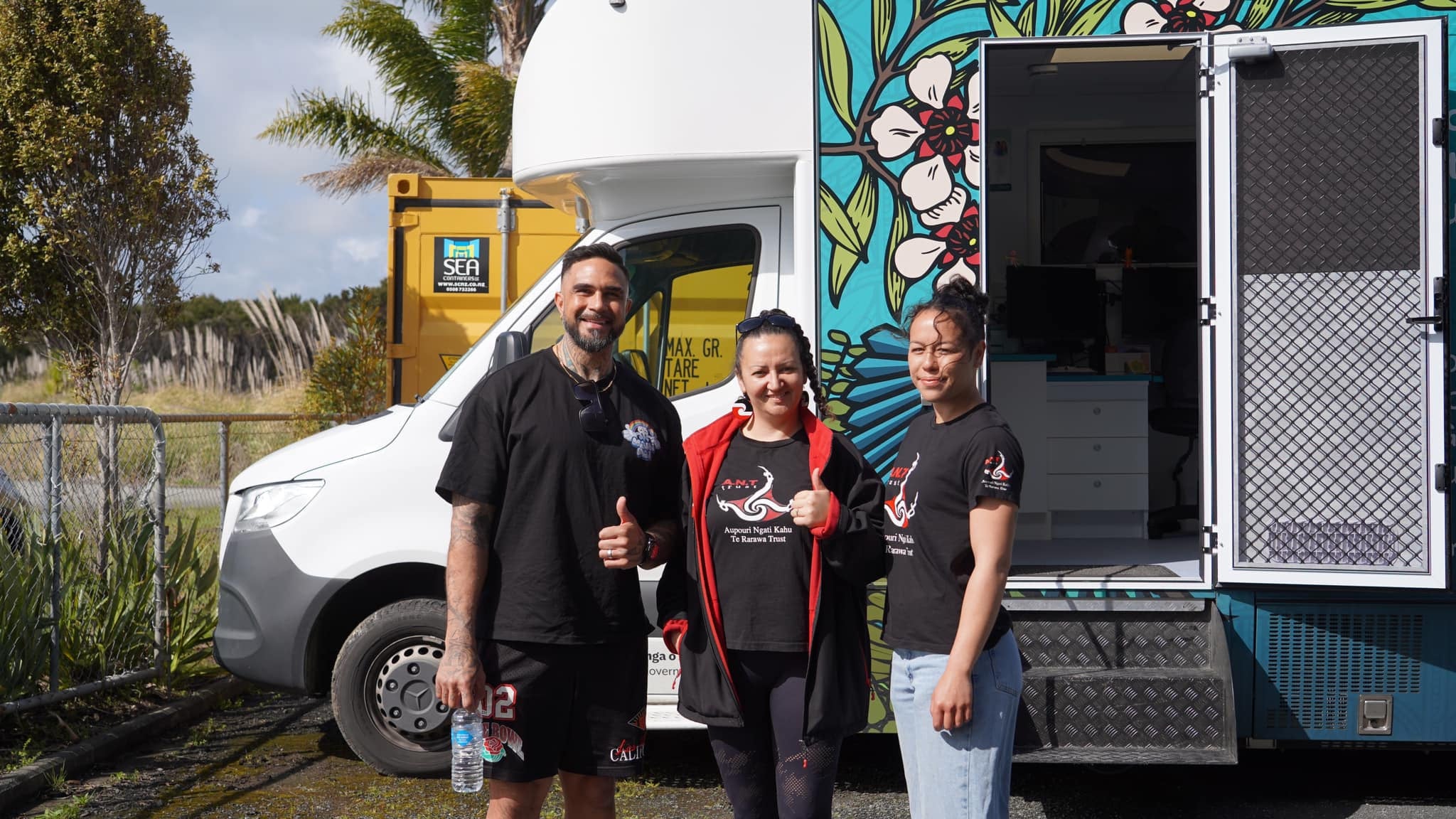
Aupouri Ngati Kahu Te Rarawa
Established in 1985, ANT Trust supports vulnerable and hard-to-reach whānau across Muriwhenua and Te Taitokerau, delivering services that address social, economic and health inequities. In response to the regional GP crisis, the Trust opened Te Whare Oranga, Kaitaia’s only clinic currently accepting new patients, expanding access to essential healthcare.
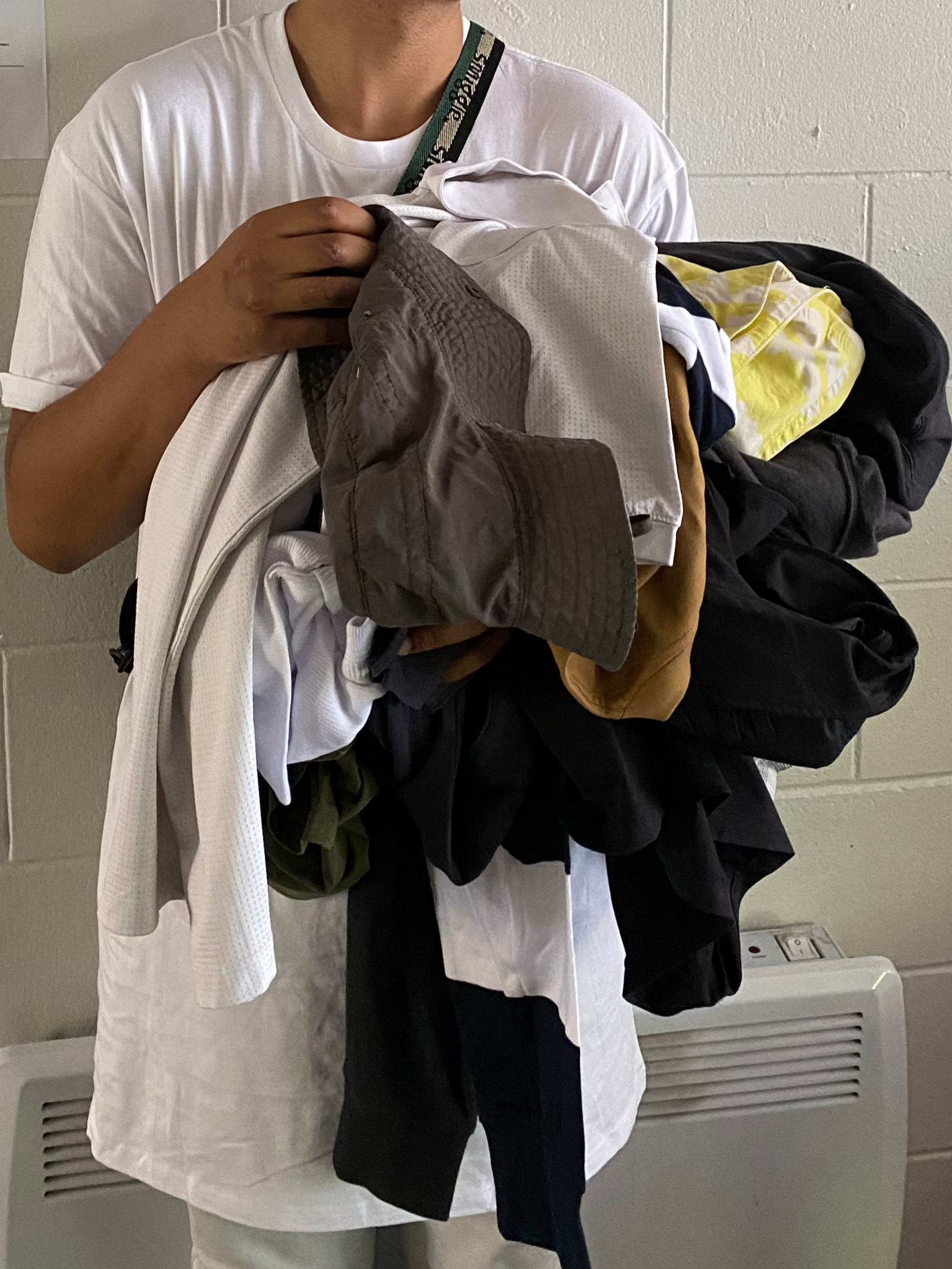
Lifewise Youth Housing
This Auckland based housing service provides wraparound support for young people who do not have a safe or stable home. Work development programmes are co-designed by rangatahi and youth workers from Lifewise. These programmes and support prepare rangatahi for adulthood and are aimed at outcomes that will benefit the whole of society and not just the individual.

Pro Love
Providing essential items for babies and families, Pro Love also operates dedicated accommodation for women who are pregnant or Mothers who have children under the age of one who are in vulnerable situations.
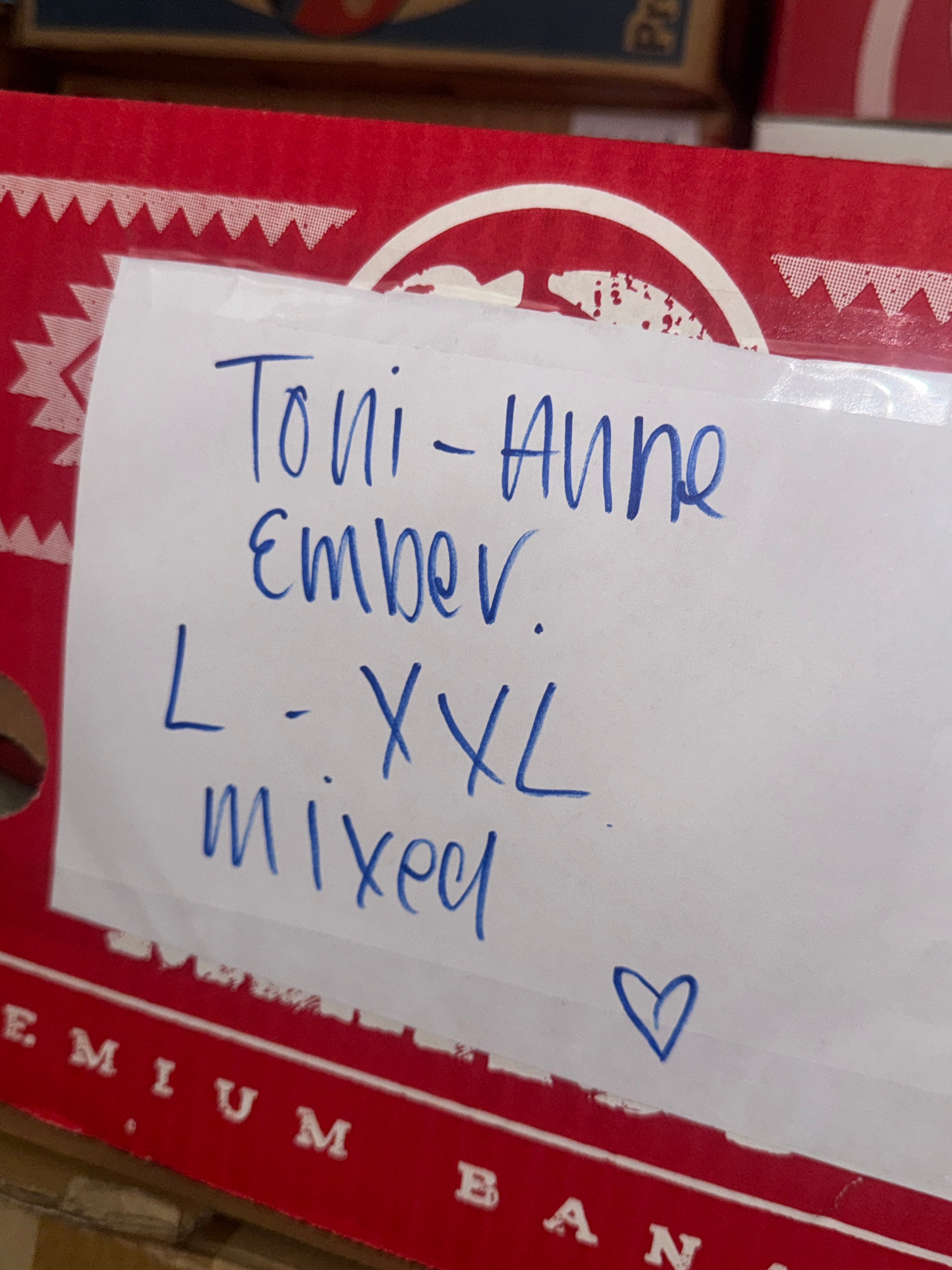
Ember Korowai Takanini
Ember provides community-based mental health and wellbeing support, combining professional expertise and lived experience. The organisation works alongside individuals experiencing homelessness, family harm, addiction and intellectual disability, and delivers services including suicide prevention and postvention support.
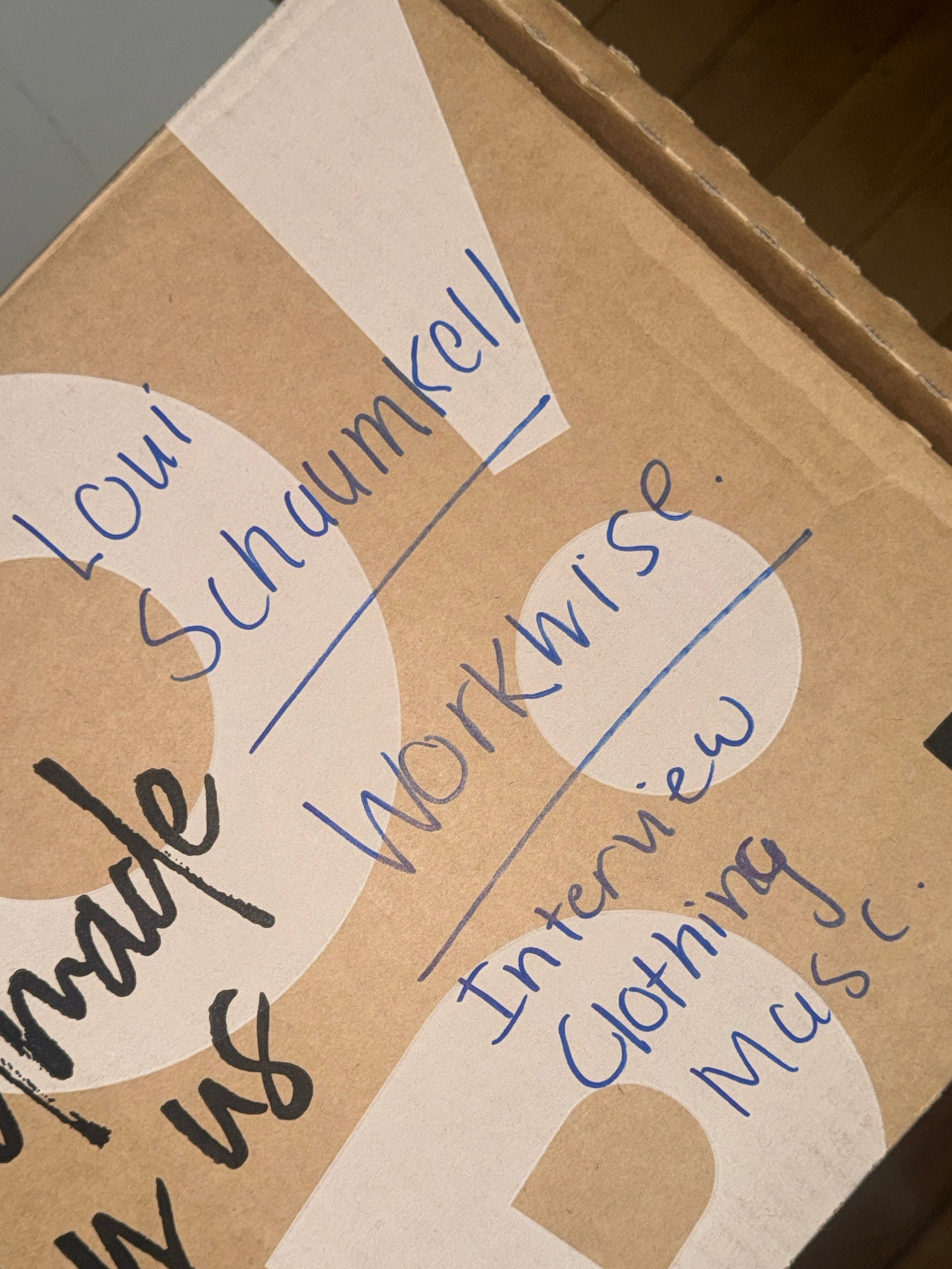
Workwise
Based in Manukau, Workwise supports people who are facing personal or health challenges re-enter employment. The organisation delivers a five-day programme focused on self-assessment, CV preparation, interview skills and employer engagement, providing practical tools, confidence and support to help participants take meaningful steps toward work.
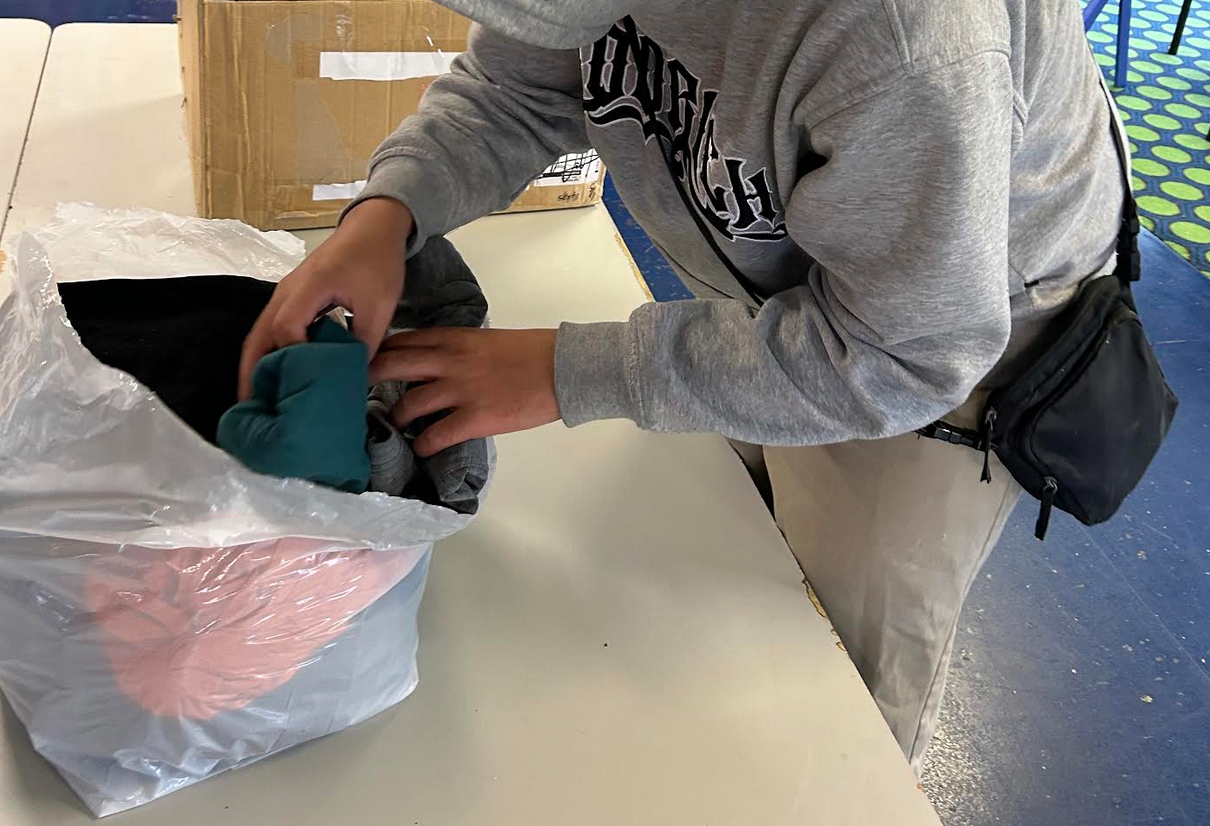
ACROSS Te Kotahitanga o te Wairum
Established in 1990 and guided by the values of kotahitanga and wairua, ACROSS provides social work services to tamariki, rangatahi and whānau across the Manawatū region experiencing complex socioeconomic situations. The organisation delivers counselling, foster care and parenting support programmes, strengthening wellbeing for families experiencing complex challenges.
Papakura Marae
Established in 1979, Papakura Marae provides over 40 community services, including a clinic and foodbank, supporting Māori and non-Māori across Papakura and surrounding suburbs. Guided by tikanga Māori, the Marae offers a safe, culturally grounded environment and works collaboratively to strengthen health outcomes and long-term whānau self-sufficiency.